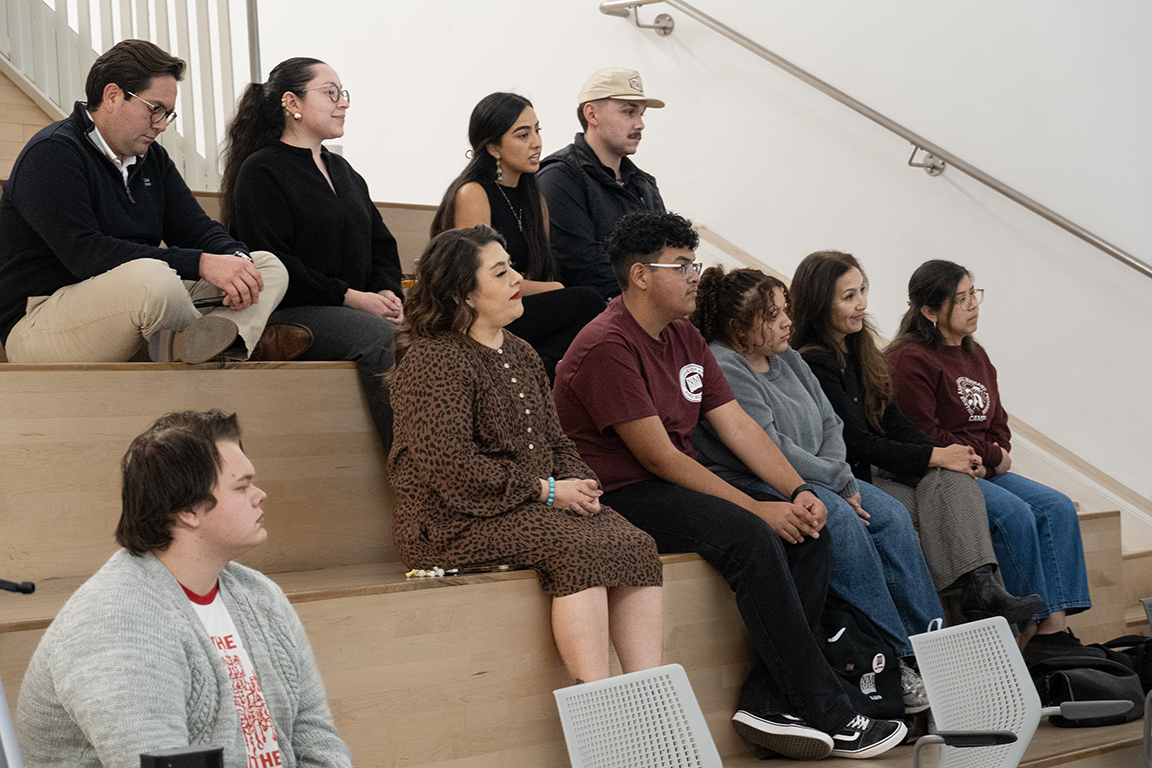
New Mexico State University’s Art Museum hosted a dynamic panel conversation on Nov. 13 exploring the inner workings of New Mexico’s legislative process, from how ideas take shape as laws to the role civic engagement plays in creating lasting change.
The panel focused on student advocacy in the justice system, particularly on understanding the legislative process. The goal was to teach students how they can get involved, where to find reliable information, and how to engage beyond social media.
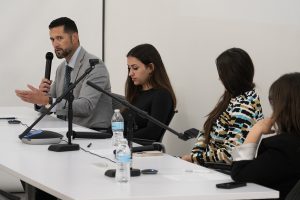
Panelists included student representative, Caia Ortiz; the Associated Students of NMSU chief of staff, Micaela Lara Cadena; New Mexico Legislature District 33 Representative, and the assistant vice president of NMSU’s Department of Government and Community Relations, Clayton Abbey.
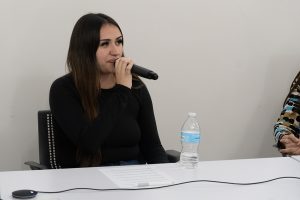
Ortiz emphasized the importance of social media literacy and the use of balanced information sources during legislative processes. She emphasized the importance of students accessing reliable information and engaging with their community, recommending that they utilize professors and office resources for on-campus support. When students use reliable sources, consult professors, and engage with campus resources, they are more likely to identify credible policy information, avoid misinformation that distorts public debates, and contribute responsibly to civic conversations that influence legislation.
“I think people just don’t really realize that they have access to a lot of the things that they do,” Ortiz said. “So I feel like, if we do better on educating people on how they can find their resources, and where they can find their resources, and how they should process this information, then I feel like it would be so beneficial, and it’d be so helpful to people to just be able to have that access, rather than trying to go on Twitter or TikTok or Facebook.”
Eva Gabriela Flynn, the Education and Outreach Coordinator at the New Mexico State University Art Museum, discussed the museum’s goal of exposing students to contemporary, intersectional art that addresses social issues.
“The artists are making comments on many social issues that are so relevant to us right now,” Flynn said.
She highlighted exhibits on border experiences, third culture identity, and legislative processes. Third culture individuals are people who self formed identities by growing up between cultures, blending elements of their parents’ culture and the culture of the place they live to create a unique. Third culture individuals may push for legislation that acknowledges multicultural realities, immigrant experiences, or cultural inclusion. Flynn emphasized the intertwined nature of art and social issues, noting artists’ role in shaping public opinion.
Alexa Ibarra, a freshman studying international business at NMSU, discussed her involvement with the College Assistance Migrant Program (CAMP), which provides scholarships and academic support. The value of attending panels for gaining awareness and opportunities for engagement.
“I learned how New Mexico’s government works together with NMSU to make sure students have what they want and what they need, which is very interesting,” Ibarra said. “That relationship is important because a lot of people, their programs, and what they study depend on that, on it getting funded.”
Ibarra expressed that the mentorship and advice from her advisors prepared her for future networking and professional development, expressing enjoyment in getting involved with the various events they attend together.
The panel overall served as an educational outlet for students to learn more about our state’s legislative process and how they can get more involved locally and at the state level.
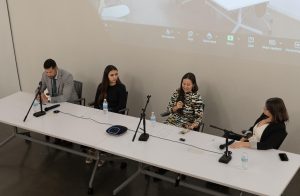
“We have conversations, and we’re open to these conversations; we want to have these conversations,” Ortiz said, “I just hope that the student body knows that we’re here for them and if there’s anything that’s going on or there’s something they need, it should be brought up, we’ll find the right place to take it to, and we’ll assist in getting something figured out. I just hope that people know we’re here for them and that we want to help.”