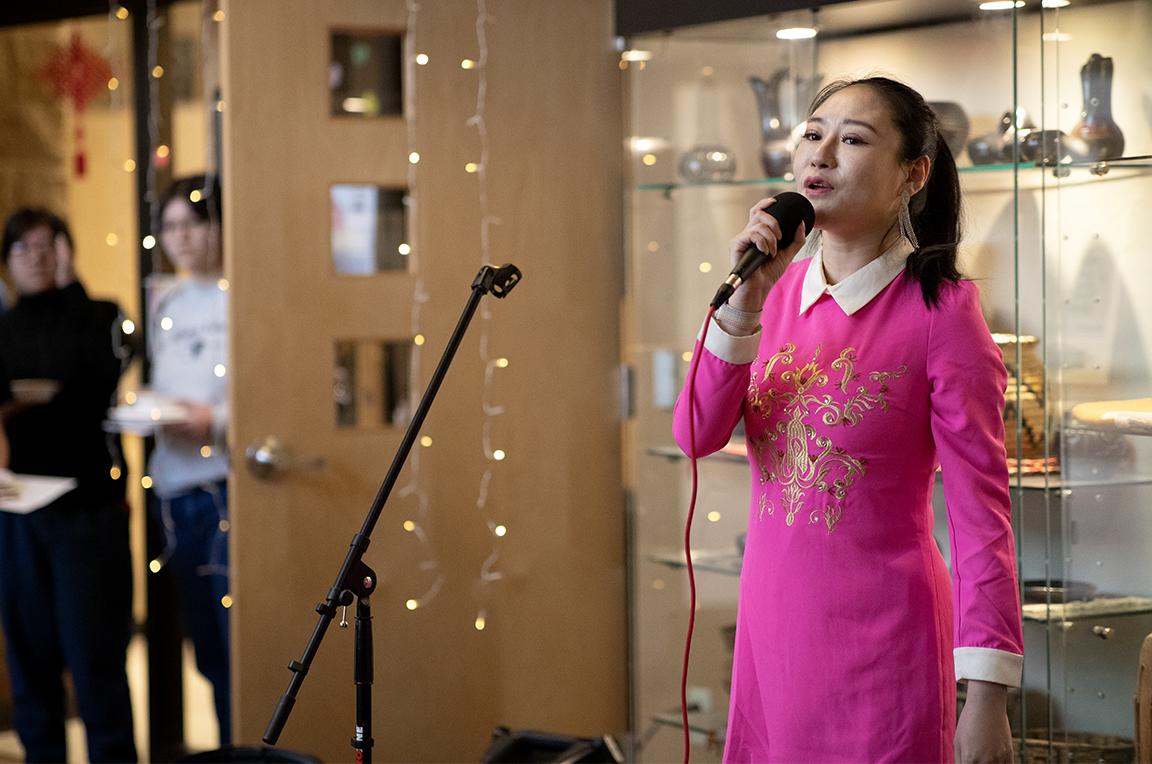
Asian Pacific Islander Program (API) and the International Programs and Compliance (IPC) co-hosted New Mexico State University’s Lunar New Year celebration at the American Indian Student Center on Feb. 17. The event demonstrated the diversity and intersectionality that can be found on campus.
Feb. 17 on the Gregorian Calendar marked the beginning of the year for several Asian calendars, including the Traditional Chinese calendar. The Chinese Zodiac system assigns symbolic animals to each year. Last year, 2025, was the Year of the Snake. Meanwhile, 2026 is the Year of the Fire Horse according to the Chinese Zodiac. The animal each year is assigned gives insight into the traits of people who are born that year and serve as a telling of the events and fortunes that year may offer.

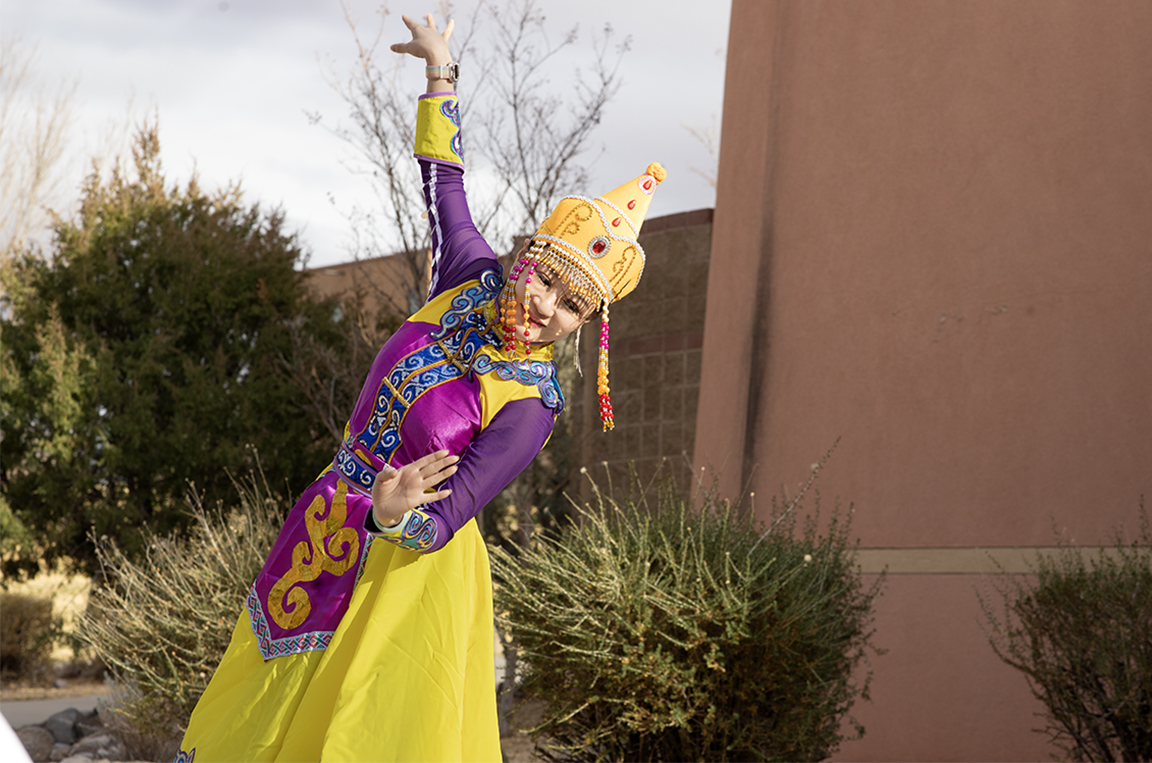
The event’s cultural expression went beyond the East Asian cuisine the hosts provided. Ningning Yao, an artist, gave multiple performances in Mongolian. Additionally, each room at the American Indian Student Center held different activities for visitors to engage with and learn about East Asian cultures.
International Student Advisor Lowe Del Aviles-Forsythe gave an opening speech at the Lunar New Year event. She explained the significance and common traditions of the holiday.
“The new year marks the start of a new calendar,” Del Aviles-Forsythe said. “It begins at the first new moon, marking a 15-day celebration of renewal, family reunions, honoring traditions, and fortunes. For example, it is very common for the Chinese to be with their family on those 15 days. During that time, they won’t go to work; they’ll go home. No matter how far away they live from family. Maybe most of you really only know about the celebrations in China, but there’s other countries beyond China that also celebrate the Lunar New Year.”
Since 2026 is the Year of the Fire Horse, Del Aviles-Forsythe explained to attendees what the horse and fire symbolized in the Chinese Zodiac system.
“In the Chinese Zodiac, the horse symbolizes energy, independence, movement, and ambition,” Del Aviles-Forsythe said. “While the fire element adds passion, intensity, and transformative momentum. Making this year one associated with bold beginnings, decisive actions, and major breakthroughs.”
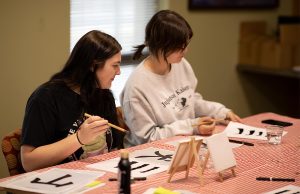
One of the activities at the event involved visitors learning Kanji calligraphy. Nizhoni Jackson, a volunteer with American Indian Program, helped oversee the activity. Jackson said these activities helped spread the traditional knowledge of these cultures.
“It’s very important because it’s a part of such a rich culture,” Jackson said. “Even learning just a bit about that culture is so beneficial. And every bit of something from that culture that you learn says something about it. Not even just that you are learning how to do it [calligraphy], but you are learning the background behind it, and you are learning like the essence and spirit of it.”
This year, API Student Lead Katea Lomanivere led the effort to organize the Lunar New Year celebration. As a person of Asian ancestry, Lomanivere said the experience taught her more about her heritage.
“It was a good experience,” Lomanivere said. “I feel like we all need to be more aware of other people’s cultural traditions, not just the Chinese cultures […] and to be aware of what other Asian countries do when celebrating the Lunar New Year. It also helped me get to know more about my identity as someone who is part Asian and part Pacific Islander. Because I have never learned about my heritage before. It’s all a new experience, and it’s one that is educating me.”
Lomanivere added that cultural celebrations like these are important so that the NMSU community can become familiar with those traditions too and learn how to celebrate them as one diverse family.
“I also think it’s great I’m able to share what Lunar New Year means to the Asian community and NMSU community as a whole,” Lomanivere said. “Everyone gets a broadened perspective about other countries because we live in Las Cruces and are already familiar with Hispanic, Mexican, and Spanish cultures. But since we have this inclusive environment, we can also make the Asian community on campus feel included through these events at NMSU.”