126 years ago, women set foot into the 1900 Olympic Games grounds in Paris, France, to compete in a mere five events out of the 19 recognized sports.
Then, 13 years ago, the 2012 London Olympics were the first Games in which women participated in all sports on the program.
Two years ago, the Olympics returned to Paris to host the first Games in history with an equal amount of male and female athletes competing.
A few weeks ago, the most-gender-balanced Winter Games in history, with 47% female athletes, took place in northern Italy.
As this year’s games come to a close, we’re reminded of the lifelong journey that these athletes have taken to contend in the worldwide sporting spectacle that is the Olympics. Besides the athlete as an individual, many are a part of a much, much bigger ongoing movement.
In 1979, the right for women to participate in sport was formally included in an international convention for the first time, and eventually gave way to the 1994 International Working Group (IWG) on Women in Sport’s establishment, and subsequently, an inaugural conference.
The Brighton Declaration (1994), an international treaty that sparked from said conference, supports the ongoing efforts for advancements in gender equality in sport, addressing participation and leadership policies to foster an ever-growing culture in sport.
These equality principles have become more widely accepted by major organizations, most importantly, the International Olympic Committee (IOC).
“The Olympic Charter, Chapitre 1, Rule 2.8, states that the IOC’s role is: ‘to encourage and support the promotion of women in sport at all levels and in all structures with a view to implementing the principle of equality of men and women,’” the IOC’s Factsheet of Women in the Olympic Movement states.
Ever since, a rising awareness of women’s sports has solidified in the public’s minds and been a root of inspiration and empowerment. In a time when equality of all kinds has become exceedingly vital, the 2026 Milano Cortina women’s Olympians have left lasting impressions for masses around the world.
In the top three places this year, Norway topped the chart with 41 total medals, the USA with 33, and Italy with 30. On Team USA alone, eight of the 12 medals won were achieved by women, making it the most successful Olympics in Team USA’s history. Additionally, this was the sixth Games in a row where women’s events surpassed the number of medals won by their male counterparts.
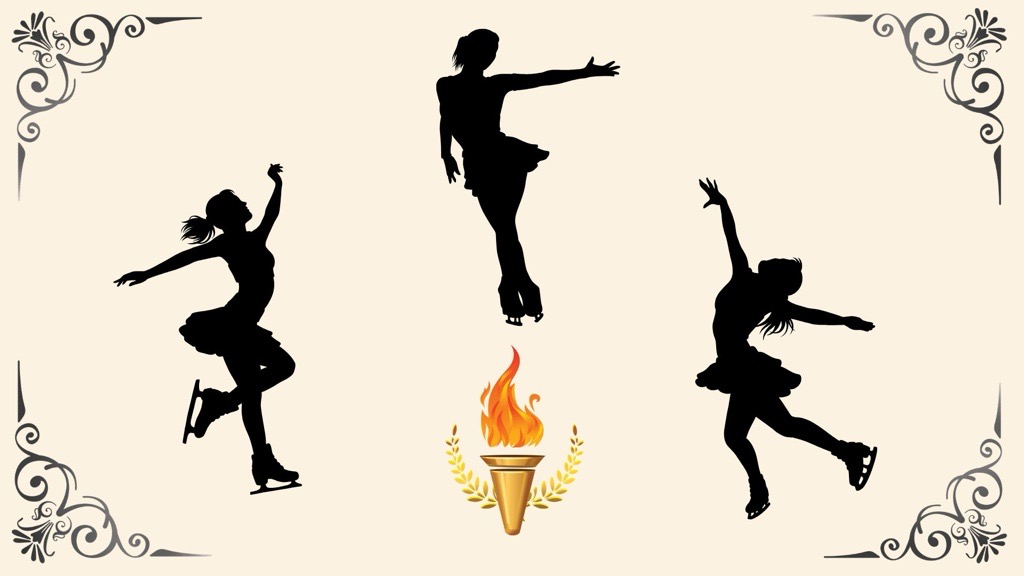
Likely the most talked about athlete of this year in the wake of her return from a two-year retirement, American figure skater Alysa Liu took home two gold medals this year after winning the women’s single skating competition, as well as contributing to Team USA’s gold finish.
Like many athletes, Liu’s intense training schedule left her burnt out, and without the same passion she carried as a young teen, leading her to take a hiatus. After coming back and earning the title of the first American woman in 24 years to claim a gold medal, users online caught wind of her journey and noticed the sparkle she carried in her eyes while on the ice.
“Alysa is different,” Phillip DiGuglielmo, one of Liu’s coaches, said. “We know she wasn’t here to win a medal. She was here to skate and to enjoy it.”
With the variety of athletes that come from all over the world, it’s no surprise that many are pursuing careers, parenting, or education outside of their sports.
Bobsledder Kaillie Humphries is one of the most decorated female bobsledders of all time, as well as the first woman to drive an all-female team against men in a four-person bobsled race in a World Cup. Humphries takes pride in her motherhood and powering through endometriosis and IVF treatments while training for competition, successfully pursuing both.
“My body’s always performed,” Humphries said in an interview with NBC Sports. “Every time I’ve asked it to, it’s raised the bar. It’s been the best in the world multiple times. To have something where it was failing, and I couldn’t do anything about it – it was disheartening.”
At the Milan games, she took home bronze with her partner, Jasmine Jones, in the two-woman bobsled, as well as taking home the additional title of the first “mom team” on the podium.
Breezy Johnson, an alpine skier with a turbulent career of her own, including multiple injuries and a suspension from the U.S. Anti-Doping Agency for failing to update her residence location, has made Johnson’s homecoming to the slopes worthwhile. As she went on to earn a gold medal and become the second American woman to ever do so in downhill skiing.
Johnson was the sixth skier to drop into the downhill course during finals and, with a time 1:36:1, skied faster than the five prior to her.
Following skier Lindsay Vonn’s infamous crash downhill, sources say that Johnson’s Olympic comeback was “overshadowed” in the media by Vonn’s own return and subsequent wreck. Despite her earning Team USA their first gold medal in the Games and her very first individual medal.
“I don’t claim to know what she’s going through, but I do know what it is to be here, to be fighting for the Olympics and to have this course burn you and to watch those dreams die,” Johnson said on ESPN regarding Vonn.
From that movement, sparked nearly 126 years ago, to the present day, those five events in Paris have evolved into something that most people back then could never have imagined.
However, even with nearly half of the 2026 Winter Olympians being female, the fight for space, recognition, and the right to compete is still far from finished.
Read the Spanish translation of this article.


![Group leaders [left to right] Jacarthie Brazil, Kira Baum, Carter-Elise Keating, and Abby Watkins pose for a picture after a successful interview. April 21, 2026.](https://nmsuroundup.com/wp-content/uploads/2026/04/01_AnnaB_Health-Club_LowRes.jpg)