On April 7, Rep. Gabe Vasquez of New Mexico’s 2nd Congressional District visited the Fabian Garcia Research Center to learn about the research led by New Mexico State University.
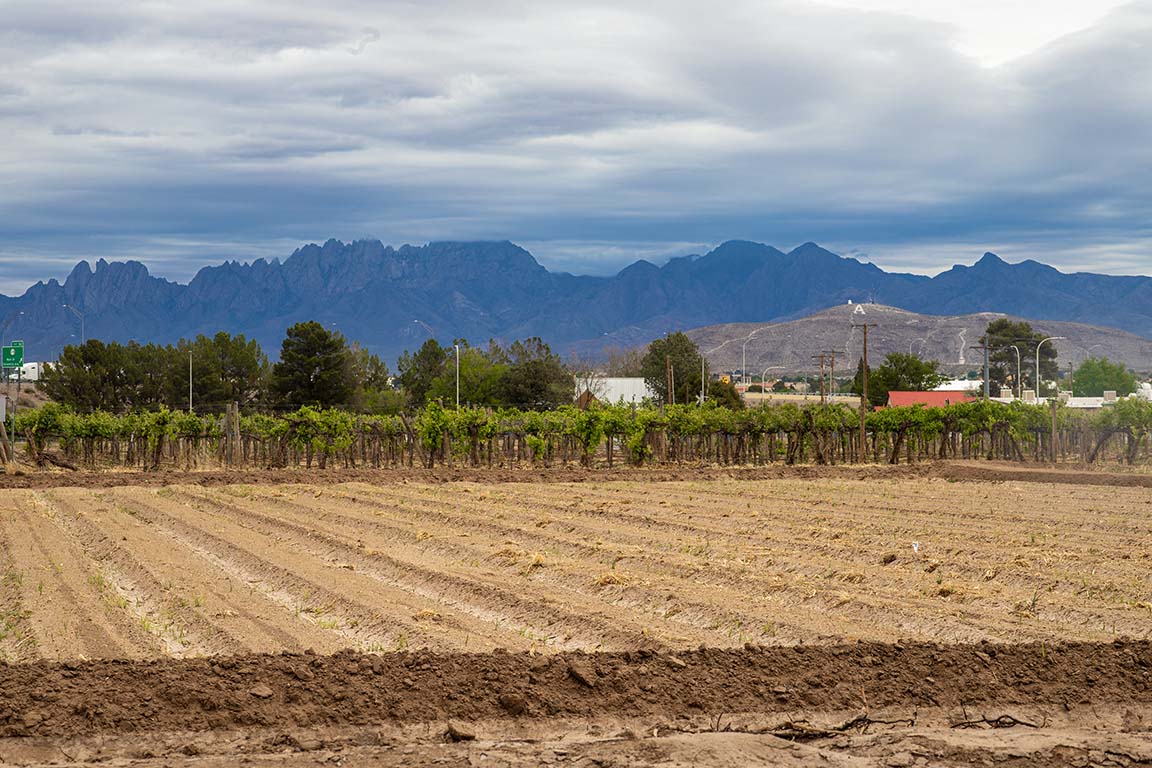
Several College of ACES faculty toured Vasquez and the Secretary of the New Mexico Department of Agriculture, Jeff M. Witte, around the facilities and fields of the Fabian Garcia Research Center. Vasquez learned about the wines cultivated by NMSU’s Viticulture Program at the research center’s brewery and nearby vineyard. Additionally, Vasquez learned about the Master Gardeners Program, which focuses on teaching ACES students the fundamentals of horticulture and land management.
Another ACES program at the tour was the Doña Ana County Cooperative Extension Service; a partnership between the institution and local governments that seeks to bring agricultural research and its benefits directly to the community. Vasquez said he was impressed with their work and would continue to secure funding for them.
“It’s a great source of pride to have New Mexico State in our district and having graduated from
here especially so,” Vasquez said. “As you know, I serve on the Agriculture Committee, and so one of my top priorities is preserving funds and eventually increasing funds and expanding grant opportunities for the Cooperative Extension Service, and it’s so important to land grant universities and other rural Western states as well.”
Program director Teresa Dean talked to Vasquez about the introduction of a drought resistant plant from China called yellowhorn.
“Yellowhorn is a type of tree that produces pods, which have seeds inside,” Dean said. “And the seeds inside produce oil. They’ve got about 40 to 70% oil content inside those seeds. So, one of the farms that we are going to go to here in a little bit is actually growing yellow horns, and we have about 266 total trees.”

On top of yellowhorn, Ag Agent Jeff Anderson said that the cooperative extension service is also growing other types of drought resistant plants.
“We have some faculty looking at linebackers,” Anderson said. “Specifically looking at the pollinator gardens that are bringing in beneficial insects […] we’re looking at alkali sacaton. Right now, it’s proven to be a great effort to get on that kind of a field scale, where it can support a 200-acre farm. It’s pretty tough to not do that on rainy land when we’re trying to use traditional field conditions.”
Vasquez praised the agricultural innovations being made at NMSU despite the environmental difficulties faced by farmers and farming students and encouraged Aggies to continue leading in the field.
“We face a lot of challenges as it pertains, of course, to water use and drought resistant crops,” Vasquez said. “Tree nuts being a huge source of water use in the Mesilla Valley. Exploring every potential option that we can to keep our agriculture community supported. Products like yours, that I think we’re going to see today, as potential alternatives that support the economic impact that agriculture has while leveraging the water resources that we have in the drier climate. And it is up to us to lead that work here at New Mexico State.”