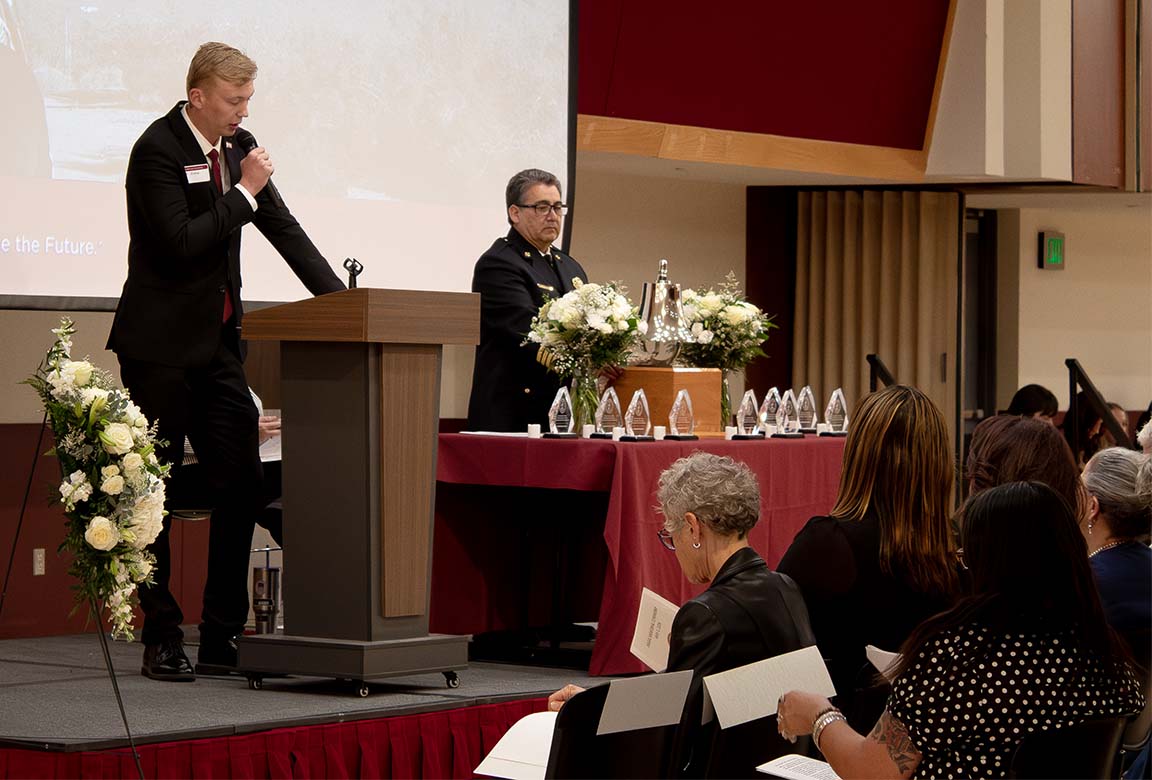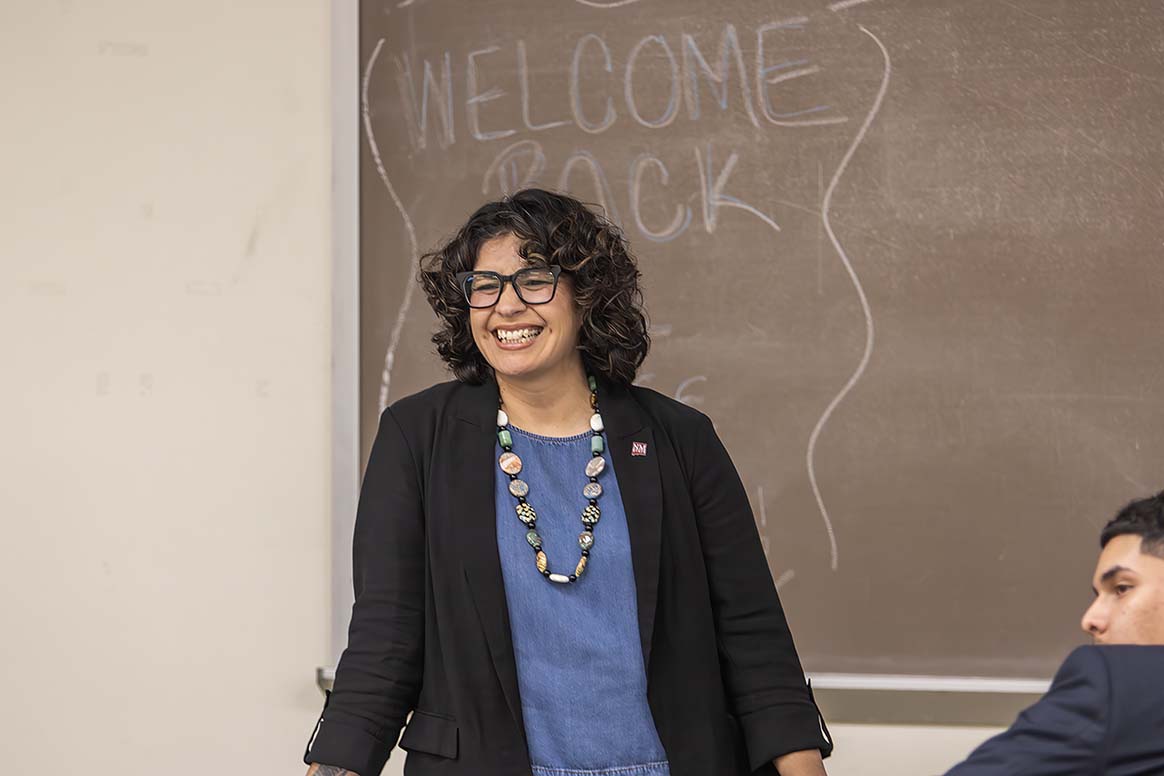
The New Mexico State University College Democrats invited NM state representative Sarah Silva to Breland Hall on March 4 to give members of the Aggie community a review of bills that passed and those that did not in the most recent legislative session.
Silva, who represents House District 53 (parts of Doña Ana and Otero Counties), became a representative at the Roundhouse in 2025. Since then, she has served to represent communities like eastern Las Cruces and Chaparral in Santa Fe and is currently assigned to the House Appropriations and Finance Committee and House Tax and Revenue Committee. Ellice Whiteaker, Director of Governmental Affairs for the Associated Students of NMSU, moderated the event for the NMSU College Democrats.
After New Mexico became the first state to offer free universal childcare, legislators in Santa Fe began working on laws that would help lessen restrictions on day care providers. Silva spoke about how Senate Bill 96, which passed, waived septic tank requirements for smaller providers.
“They’re not using a big wastewater system,” Silva said. “And so why do they need two septic tanks? Putting in a second septic tank can cost up to $20,000, and so those county zoning requirements actually impede people from expanding their business or even starting their business as a daycare provider.”
One bill sponsored by Silva that did not pass, House Bill 164, sought to require lobbyists to report what legislation they are influencing and supporting, among other transparency measures.
“One of the reasons that that’s really important to me is because, as an organizer, transparency is one of the most important tools that we can use to find out what our government is talking about and who is influencing that,” Silva said. “In New Mexico, we don’t ask our lobbyists to report a lot. So, one of the things that I wanted them to report is that I want to know what legislation you’re lobbying for. I want it to be public.”
Silva also voiced support for House Joint Resolution 5, which would pay state lawmakers with salaries. The resolution was approved for a ballot on Nov. 3.
“The pay would be tied to the median income of New Mexicans,” Silva said. “Our pay is tied to the success or failure of New Mexicans and their families. And that was one of the solutions that my colleague and my officemate, Cristina Parajón, came up with. She is one of the youngest legislators in the entire body. She talks about not wanting to live in her parents’ house and she’s still in law school. Even for someone like me, who is middle aged, I still have kids in school, and I try to pay bills and pay for our health care.”

When Silva opened the discussion to audience input, Whiteaker voiced concerns about gun safety as a priority in the state government. Senate Bill 17, which aimed at restricting the sale of certain firearms, did not make it out of the state legislature.
“When our communities are being directly impacted, like at the Young Park shooting, and when students are getting shot at middle schools by guns that they got from their houses, it just begs the question when are we finally going to be heard?” Whitaker said.“That is something that I was really glad to see brought to the attention of the New Mexico legislature this year, but I am very disappointed it still could not move forward this session.”
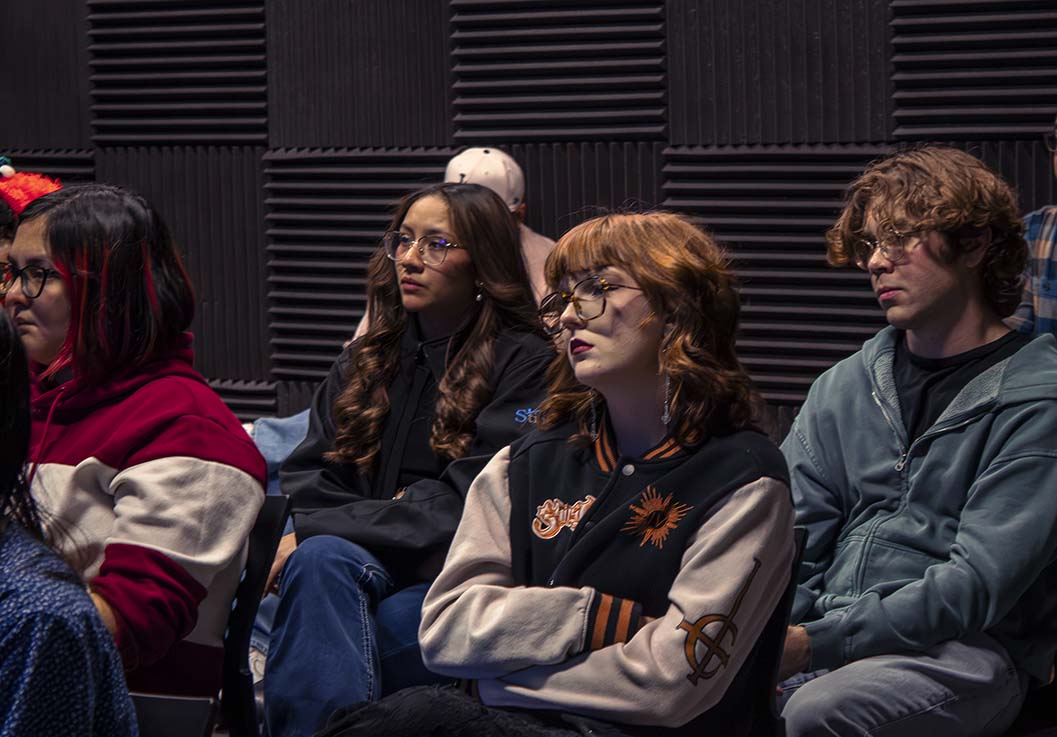
One student in the audience, senior Simone Salazar, said she came to see the legislative recap to be informed about state politics and that she resonated with Silva’s messaging and background as an activist.
“I was inspired to get my information from people who are proactive about issues and go somewhere I can be educated,” Salazar said. “Because when you scroll through social media, you’re not really taking in all that information, and it leaves you feeling like you cannot do anything. But being here makes it seem less hopeless and like I could be doing something within our community.”